

In the hospitality industry, delivering exceptional guest experiences is essential for maintaining strong brand reputation and guest loyalty. Hotels and resorts must consistently meet high service standards across every guest interaction, from reservation inquiries to check-out.
One of the most effective ways hospitality brands measure real guest experiences is through hotel mystery shopping programs. These programs use professional evaluators who experience the property as typical guests while documenting service quality, operational performance, and brand standards.
Organizations around the world have relied on professional Mystery Shopping Services to gain objective insights into how their properties perform during real guest interactions.
What Is a Hotel Mystery Shopper?
A hotel mystery shopper is an independent and experienced evaluator who visits a hotel anonymously and assesses the guest experience according to predetermined criteria. Their role is to observe service interactions, evaluate operational procedures, and document how well staff members follow brand standards.
Unlike traditional guest feedback surveys, mystery shoppers provide structured evaluations that capture detailed insights about how service is delivered across the entire guest journey.
These evaluations often focus on:
- Staff professionalism and friendliness
- Service efficiency
- Cleanliness and property presentation
- Brand standard compliance
- Overall guest satisfaction
The information gathered during these evaluations helps hospitality brands identify their strengths, address service gaps, and improve operational consistency across locations.
Hotels often incorporate these evaluations into broader hospitality improvement initiatives through Hotel & Resort Consulting programs.
Why Hotels Use Mystery Shopping Programs
Upscale hotels, economical hotels, boutique resorts, and even international hospitality brands rely on mystery shopping programs to maintain consistent service standards across multiple properties.
Mystery shopping helps hotels:
- Identify service gaps that may affect guest satisfaction
- Evaluate employee training effectiveness
- Maintain consistent brand standards across locations
- Measure real guest experiences rather than assumed performance
- Benchmark service quality against competitors
Because mystery shoppers interact with staff as typical guests, they capture valuable insights that management teams might otherwise miss. The authentic customer experience, untainted by the knowledge of atypical observation.
Brand Quality Assurance and Compliance in Hospitality
In addition to evaluating service quality, hotel mystery shopping programs play a critical role in brand quality assurance and compliance. For hotel groups and multi-property brands, maintaining consistency across locations is essential to protecting brand reputation and delivering a reliable guest experience.
Mystery shopping evaluations help ensure that brand standards, operational procedures, and service protocols are being executed correctly at every property. From front desk procedures and housekeeping standards to upselling practices and guest communication, these programs provide visibility into whether teams are meeting established expectations.
By identifying inconsistencies or gaps in compliance, hospitality leaders can take a proactive approach to improving training, reinforcing brand standards, and maintaining alignment across all locations. This level of insight is especially valuable for organizations managing multiple properties where maintaining consistency can be a challenge.
What Hotel Mystery Shoppers Evaluate
Hotel mystery shoppers typically assess the entire guest experience from start to finish. Each stage of the customer journey provides valuable insights into how well service standards are being executed.
Reservation and Booking Experience
The guest experience often begins long before arrival. Mystery shoppers may evaluate how easy it is for customers to research and book accommodations.
Evaluations may include:
- Website usability and booking process
- Phone reservation interactions
- Response time to inquiries
- Staff knowledge of room types and amenities
These early interactions can strongly influence a guest’s perception of the brand.
Arrival and Check-In Experience
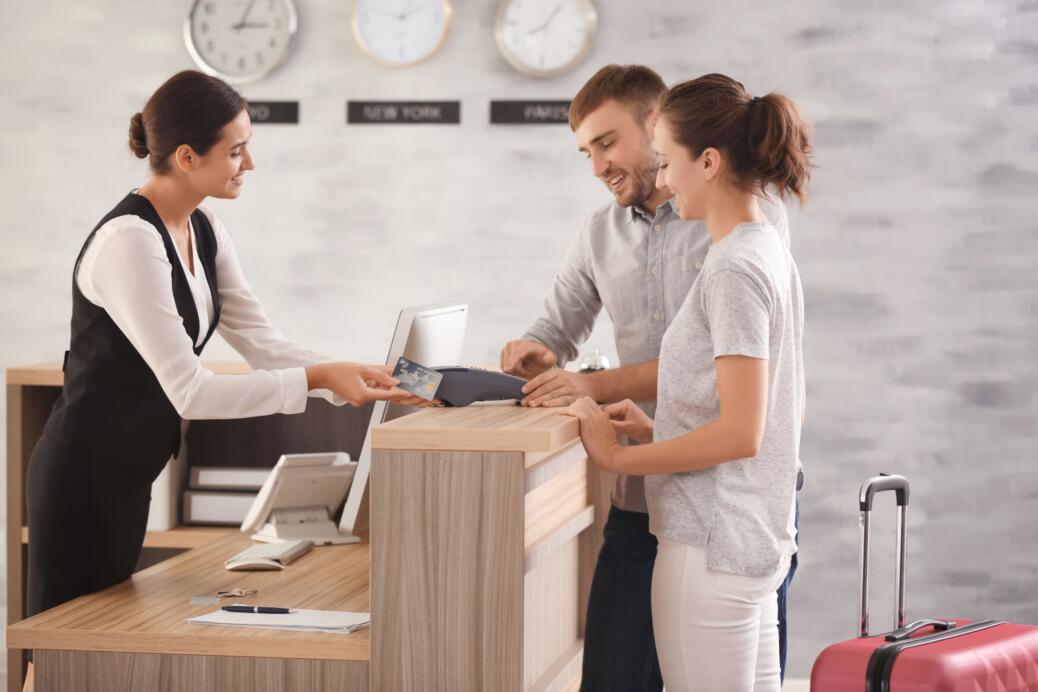
First impressions play a critical role in hospitality. Mystery shoppers closely evaluate the arrival process to determine how welcoming and efficient the experience is for guests.
Areas typically evaluated include:
- Valet and concierge service
- Greeting and professionalism at the front desk
- Efficiency of the check-in process
- Accuracy of reservation information
- Staff knowledge of hotel amenities
A smooth and welcoming check-in experience sets the tone for the entire stay.
Guest Room Experience
Once inside the room, mystery shoppers evaluate whether the accommodations meet the brand’s quality and cleanliness standards.
Common evaluation points include:
- Room cleanliness and maintenance
- Condition of furniture and décor
- Functionality of room amenities
- Temperature control and lighting
- Availability of in-room services
These details are essential for ensuring guest comfort and satisfaction.
Dining and Amenities
Hotels often offer a range of guest services, including restaurants, bars, spas, and recreational facilities. Mystery shoppers evaluate these services to determine whether they align with the brand’s service standards.
This may include evaluations of:
- Restaurant service quality
- Food presentation and timing
- Bar service interactions
- Spa or wellness experiences
- Pool and recreational areas
Many hospitality brands integrate spa and wellness evaluations as part of broader service assessments through Spa Mystery Shopping Programs.
Guest Service Interactions
Throughout the stay, mystery shoppers observe how employees respond to guest requests and inquiries.
This may include evaluating:
- Housekeeping responsiveness
- Concierge assistance
- Staff problem-solving abilities
- Professionalism and courtesy
Consistent service delivery across departments is a hallmark of successful hospitality brands.
Check-Out and Departure Experience
The final stage of the guest journey is just as important as the first. Mystery shoppers evaluate whether the check-out process is smooth and whether staff provide a positive farewell experience.
Common evaluation points include:
- Billing accuracy
- Speed of the check-out process
- Staff professionalism and courtesy
- Follow-up communication after the stay
A positive departure experience increases the likelihood of repeat visits and positive reviews.
How Mystery Shopping Reports Help Hotel Management
After completing their stay, mystery shoppers submit detailed reports documenting each stage of the experience. These reports provide valuable insights that help hotel leadership improve operational performance.
Mystery shopping reports may include:
- Scored service evaluations
- Narrative descriptions of guest interactions
- Photographic documentation
- Operational compliance observations
- Recommendations for service improvements
These insights allow hotel management teams to identify training opportunities, improve service processes, and maintain consistent brand standards.
Using Mystery Shopping to Improve Guest Experience
In today’s competitive hospitality landscape, delivering exceptional guest experiences is essential for maintaining brand reputation and customer loyalty.
Professional hospitality mystery shopping programs provide hotels with objective insights into how their services are delivered during real guest interactions.
Organizations that use structured evaluation programs gain valuable information that helps them strengthen service quality, improve operational performance, and maintain consistent brand standards across properties.
To learn more about how hospitality brands use mystery shopping to elevate guest experiences, explore Coyle’s full range of Mystery Shopping Services.
FAQ
What does a hotel mystery shopper do?
A hotel mystery shopper visits a property anonymously and evaluates the guest experience, documenting service quality, staff interactions, cleanliness, and operational performance.
Are hotel mystery shoppers real guests?
Yes. Mystery shoppers experience the property exactly as real guests would while carefully observing service standards and customer interactions.
Why do hotels use mystery shoppers?
Hotels use mystery shopping programs to measure service consistency, identify operational improvements, and ensure staff deliver exceptional guest experiences.
How often should hotels conduct mystery shopping?
Many hospitality brands conduct mystery shopping evaluations monthly or quarterly to monitor service quality and maintain brand standards across locations.


