

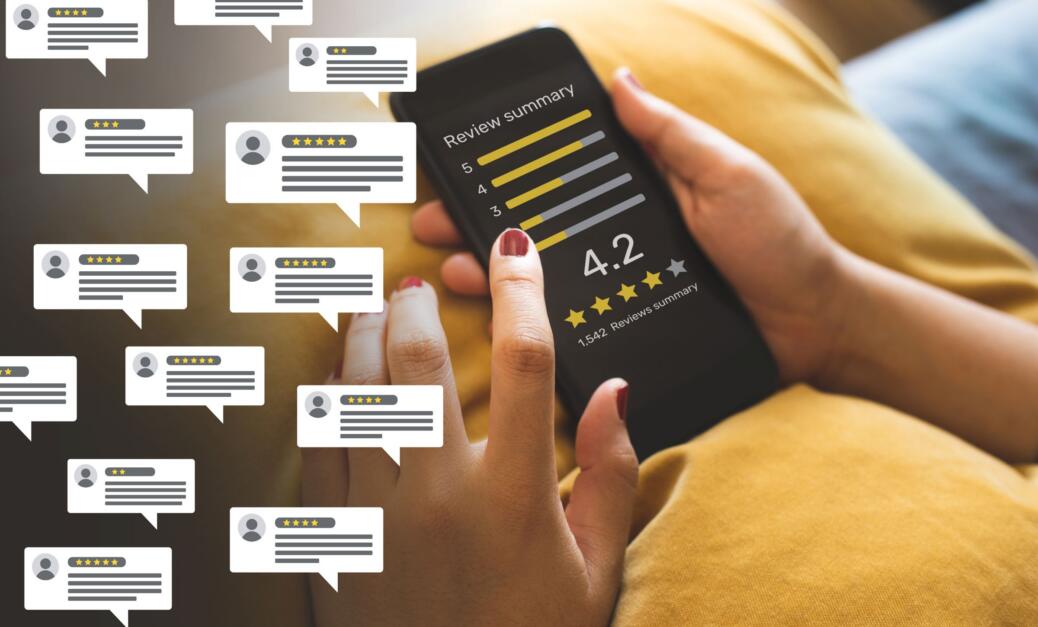
There was a time when a hotel’s reputation was shaped quietly and over long periods of time.
In the 1990s, guest opinions traveled through word of mouth, travel agents, and occasional comment cards. Feedback existed, but it moved slowly and stayed largely within the walls of the business.
Today, all of this has changed.
A single guest experience can be shared instantly with thousands of potential customers. Online platforms have turned feedback into a powerful force that directly impacts bookings, brand perception, and long term success.
The Star-Rating has presented a one-stop-shop of quality reporting. This shift has completely transformed hotel reputation management and redefined how hospitality brands operate.
Hotel Reputation Management in the 1990s
Before the rise of the internet, reputation management was largely internal.
Hotels relied on:
- Comment cards left in rooms
- Direct guest complaints at the front desk
- Feedback from travel agents
- Occasional surveys or follow up calls
While this feedback was valuable, it had limitations.
Limited Visibility
Only the hotel saw most of the feedback. Guests rarely had access to others’ experiences.
Slow Response Time
Issues were addressed after the fact, often without broader awareness or urgency.
Minimal Public Impact
A negative experience might influence a few people, but it did not affect the brand at scale.
Greater Control
Hotels had more control over their reputation because feedback was not widely shared.
The Rise of Online Reviews in Hospitality
The early 2000s introduced a major shift. Platforms began giving guests a public voice, and that voice quickly became influential.
The growth of online reviews in hospitality changed how guests made decisions and how hotels managed their reputations.
Now, potential guests can:
- Read detailed reviews before booking
- Compare multiple properties instantly
- Evaluate consistency across guest experiences
- Make decisions based on real feedback
This transparency has raised expectations across the entire industry.
Guest Feedback Evolution: Then vs Now
The guest feedback evolution from the 1990s to today can be summed up in three major changes.
From Private to Public
Feedback is no longer confined to internal systems. It is shared openly and influences future guests. Professional feedback and critics can fall by the wayside to everyday Joe’s providing thorough breakdowns of their own experiences, good or bad.
From Occasional to Constant
Feedback is now continuous. Hotels receive reviews daily, not just through periodic surveys. This can mean it’s harder to gauge quality, as it could vary even hour-by-hour.
From Controlled to Unfiltered
Guests share honest opinions without filters, giving others a more authentic view of the experience.
How Reviews Changed Hotel Operations
Online reviews did more than influence booking behavior. They changed how hotels operate on a daily basis.
Increased Accountability
Every interaction has the potential to be reviewed. This creates a higher level of accountability across teams.
Greater Focus on Consistency
Guests compare experiences across properties. Inconsistency becomes more visible and more damaging.
Faster Response Expectations
Hotels are expected to respond to reviews quickly and professionally, whether positive or negative.
Data Driven Decision Making
Reviews provide a constant stream of insights that can be used to improve operations.
The Challenges of Modern Hotel Reputation Management
While online reviews offer valuable insights, they also create new challenges.
Volume of Feedback
Managing a high volume of reviews can be overwhelming without structured processes.
Emotional Impact
Negative reviews can feel personal, but responses must remain professional and consistent.
Inconsistent Data
Not all feedback is detailed or accurate, making it difficult to identify true patterns.
Pressure to Perform
Public feedback increases pressure on teams to deliver consistently strong experiences.
Turning Reviews Into Actionable Insights
Successful hotel reputation management goes beyond monitoring reviews. It requires turning feedback into meaningful improvements.
Identify Patterns, Not Isolated Comments
One review may not tell the full story. Trends across multiple reviews reveal where changes are needed. One complaint about food quality? Could be a matter of personal taste. Are many customers complaining about the front desk across a wide stretch of time? It might be time to look into that.
Align Feedback With Operational Data
Combine review insights with structured evaluations to get a clearer picture of performance.
Many hospitality brands use tools like Mystery Shopping Services to validate guest feedback and identify gaps in service delivery.
Train Teams Based on Real Feedback
Use reviews to guide training programs and reinforce service standards.
Respond Strategically
Every response is an opportunity to reinforce your brand and show commitment to guest experience.
Why Reviews Alone Are Not Enough
While reviews are powerful, they do not provide a complete picture.
Reviews are:
- Subjective
- Inconsistent in detail
- Often focused on extremes
To truly improve performance, businesses like hotels need structured insights that complement guest feedback.
This is where services like Hotel & Resort Consulting help bridge the gap between perception and reality.
What Has Not Changed
Despite all the changes in technology and feedback channels, the fundamentals remain the same.
Guests still expect:
- Friendly and professional service
- Clean and comfortable environments
- Clear communication
- Consistent experiences
The difference is that these expectations are now visible to everyone.
The Future of Hotel Reputation Management
As technology continues to evolve, guest feedback will only become more immediate and influential.
Hotels that succeed will be those that:
- Embrace transparency
- Act on feedback quickly
- Maintain consistency across locations
- Combine reviews with structured evaluations
By balancing modern tools with proven service principles, hospitality brands can stay ahead in an increasingly competitive landscape.
Managing Reputation With the Right Strategy
Effective hotel reputation management requires more than monitoring reviews. It requires a proactive approach to understanding and improving the guest experience.
By combining real guest feedback with structured insights, hotels can make informed decisions that strengthen performance and protect their brand.
To learn how Coyle supports hospitality brands, explore Mystery Shopping Services and discover how objective evaluations can complement your reputation strategy.
FAQ
What is hotel reputation management?
Hotel reputation management involves monitoring, responding to, and improving how a hotel is perceived based on guest feedback and experiences.
How have online reviews changed hospitality?
Online reviews have made guest feedback public, increasing transparency and influencing booking decisions.
Why are online reviews important in hospitality?
They shape brand perception, influence potential guests, and provide insights into service quality.
What is guest feedback evolution?
It refers to the shift from private, limited feedback to continuous and public online reviews.
How can hotels improve their reputation?
Hotels can improve reputation by delivering consistent service, responding to reviews, and using feedback to make operational improvements.


