

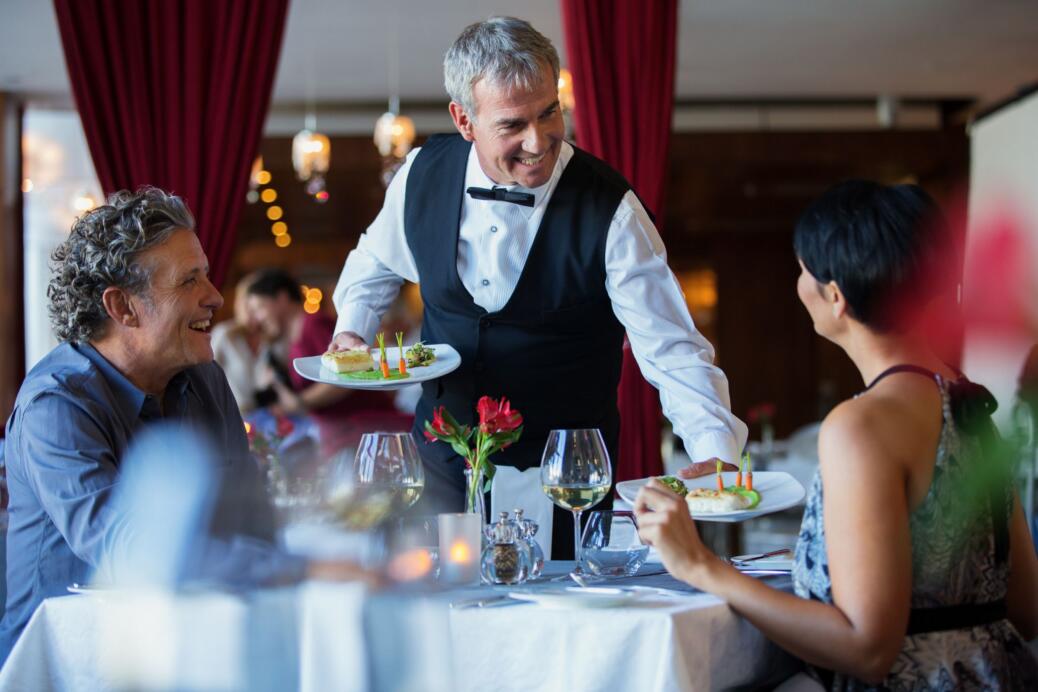
In the restaurant industry, success often comes down to what happens between the moments guests notice. Not the menu. Not the decor. Not even the brand. It is “the flow” of the business. But what is that? How can we quantify it?
After thousands of evaluations across different concepts, locations, and service models, one thing becomes clear. The difference between a good restaurant and a great one is often defined by restaurant operational efficiency.
Flow is what connects every part of the experience. When it works, everything feels seamless. When it breaks, guests feel it immediately.
What Is Service Flow in Restaurants?
F&B service flow refers to how smoothly operations move from one stage of the dining experience to the next.
This includes:
- Guest arrival and seating
- Order taking
- Food preparation and delivery
- Table maintenance
- Payment and departure
Each step must connect naturally to the next. When flow is optimized, guests experience a sense of ease. When it is not, the experience feels disjointed.
The Hidden Impact of Poor Flow
Many restaurants focus on individual components such as food quality or staff friendliness. While these are important, poor flow can undermine both.
Common issues identified across audits include:
Bottlenecks During Peak Times
Service slows down when systems cannot handle volume. These “traffic jams” are perhaps the most common flow-killer.
Lack of Communication Between Teams
Front of house and back of house misalignment leads to delays and mistakes.
Inconsistent Timing
Food courses arrive too quickly or too slowly, disrupting a dining experience. This same issue can plague many aspects of the restaurant business.
Missed Service Steps
Key interactions are skipped when staff are overwhelmed or processes are unclear.
Overcomplicated Processes
Too many steps create confusion and increase the likelihood of errors. Streamlining is a great solution for many issues negatively affecting flow.
These issues directly impact restaurant experience optimization and overall guest satisfaction.
What High Performing Restaurants Do Differently
After reviewing thousands of operations, high performing restaurants consistently demonstrate a few key traits.
They Prioritize Simplicity
Simple processes are easier to execute consistently. Teams that follow clear and streamlined workflows perform better under pressure.
They Design for Volume
Strong operations anticipate peak periods and build systems that can handle increased demand without breaking flow.
They Communicate Clearly
Sometimes a business can feel monotonous based on broken promises, or misconceptions. Effective communication between teams ensures that service moves smoothly from one stage to the next, and customers know what to expect and adjust time for.
They Train for Timing
Great service is not just about what is delivered, but when it is delivered.
They Monitor Performance Consistently
High performing restaurants do not rely on assumptions. They use structured evaluations to understand how their operations perform in real time.
Many brands use tools like Mystery Shopping Services to identify breakdowns in flow and improve consistency.
Key Moments That Define Service Flow
Certain moments have a disproportionate impact on the guest experience.
The First Five Minutes
Initial impressions set expectations for the entire visit. Delays or confusion at this stage can create frustration that carries throughout the experience.
Order to Delivery Timing
This is one of the most critical points in the dining experience. Timing must feel natural and aligned with guest expectations.
Table Maintenance
Clearing, refilling, and checking in at the right moments keeps the experience moving smoothly.
The Final Interaction
The payment and departure process should feel just as seamless as the beginning.
How to Improve Restaurant Operational Efficiency
Improving restaurant operational efficiency starts with identifying where flow breaks down.
Map the Guest Journey
Break the experience into stages and evaluate how each transition is handled.
Identify Bottlenecks
Look for points where delays or confusion occur, especially during peak times.
Align Teams
Ensure the front of house and back of house are working toward the same goals with clear communication.
Standardize Processes
Consistent procedures make it easier for teams to deliver reliable performance.
Measure and Adjust
Use data and structured evaluations to continuously refine operations.
Programs such as Restaurant Consulting help organizations identify inefficiencies and implement improvements.
Why Flow Matters More Than Ever
Today’s guests expect efficiency without feeling rushed. They want experiences that feel effortless.
When flow is optimized:
- Service feels natural and unforced
- Wait times feel shorter
- Staff appear more confident and organized
- The overall experience feels higher quality
When flow is disrupted, even strong elements like food and service can feel inconsistent.
Turning Insights Into Better Experiences
The biggest lesson from thousands of audits is simple. Flow is not accidental. It is designed, measured, and refined over time.
Restaurants that focus on F&B service flow and restaurant experience optimization are better positioned to deliver consistent, high quality experiences.
By identifying gaps and improving processes, operators can create smoother, more efficient operations that benefit both guests and staff.
Improving Performance With the Right Approach
Operational efficiency is not just about speed. It is about creating a seamless experience from start to finish.
With the right insights and a structured approach, restaurants can improve flow, reduce friction, and deliver better guest experiences.
To learn how Coyle helps restaurant brands improve performance, explore our Mystery Shopping Services and Restaurant Consulting.
FAQ
What is restaurant operational efficiency?
Restaurant operational efficiency refers to how effectively a restaurant manages its processes to deliver a smooth and consistent guest experience.
What is F&B service flow?
F&B service flow is the movement of service from one stage to the next, including seating, ordering, food delivery, and payment.
How can restaurants improve service flow?
Restaurants can improve flow by simplifying processes, improving communication, and identifying bottlenecks in the guest journey.
Why is service flow important?
Service flow impacts timing, consistency, and overall guest satisfaction.
What is restaurant experience optimization?
Restaurant experience optimization focuses on improving every aspect of the guest journey to create a seamless and enjoyable experience.


