

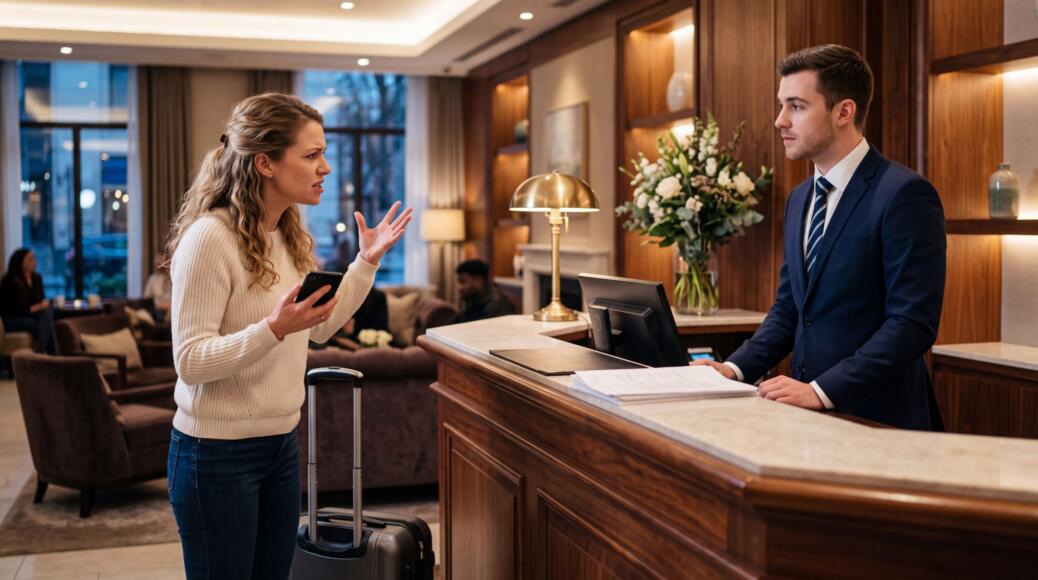
What makes a hotel stay, restaurant visit, or luxury experience memorable? While service quality, amenities, and convenience all contribute to guest satisfaction, customers do not necessarily remember every interaction with equal importance.
Some moments have a stronger influence on how an experience is remembered. A thoughtful gesture from a hotel employee, an unexpectedly disappointing restaurant interaction, or a warm farewell at the end of a stay may become particularly memorable.
This relationship between emotional experiences and memory is often explained through the peak-end rule, a psychological principle with important implications for hospitality and customer experience management.
Understanding the peak-end rule can help hospitality professionals think more carefully about the moments that shape guest perceptions, while recognizing that memorable experiences still depend on consistent service throughout the customer journey.
What Is the Peak-End Rule?
The peak-end rule is a psychological principle suggesting that people often evaluate a past experience based disproportionately on its most emotionally intense moment, known as the peak, and how the experience ended.
Rather than remembering every moment with equal weight, individuals may place greater emphasis on especially positive or negative interactions and the final stage of an experience.
The principle is associated with research by psychologist Daniel Kahneman and colleagues examining how people remember and evaluate experiences.
Importantly, the peak-end rule describes a tendency, not a universal law. Memory and satisfaction can also be influenced by expectations, duration, personal preferences, and the broader circumstances surrounding an experience.
In hospitality, the concept provides a useful framework for understanding why particular guest interactions may have a lasting impact.
How Does the Peak-End Rule Work in Hospitality?
Hospitality experiences consist of numerous interactions, many of which may seem routine at the time.
A hotel guest might complete a reservation, arrive at the property, check in, visit a restaurant, interact with housekeeping, use the amenities, and eventually check out.
A restaurant customer might make a reservation, receive a greeting, order food, interact with servers, pay the bill, and leave.
While each stage contributes to the overall experience, certain moments may stand out in the guest’s memory.
The Peak: An Emotionally Significant Moment
A peak is a particularly intense positive or negative moment during an experience.
In hospitality, a positive peak might involve an employee recognizing a special occasion, resolving a difficult request, or providing an unexpectedly thoughtful service.
A negative peak might involve a serious service failure, an uncomfortable interaction, or a situation in which a guest feels ignored.
The defining characteristic is emotional intensity rather than the amount of time the interaction takes.
The End: The Final Impression
The end refers to how an experience concludes.
A smooth hotel checkout, sincere farewell, or helpful final interaction can contribute to a positive closing impression. Conversely, an unexpected billing issue or dismissive departure interaction may create frustration at the end of an otherwise enjoyable visit.
This does not mean the final interaction automatically determines the guest’s entire opinion. It means that endings may receive disproportionate attention when customers later remember an experience.
Peak-End Rule Examples in Hospitality
The principle becomes easier to understand when applied to everyday hospitality situations.
Example 1: A Hotel Guest Receives Personalized Service
Imagine a guest staying at a luxury hotel for an anniversary.
Most aspects of the visit meet expectations, including check-in, housekeeping, and dining. During the stay, an employee remembers the occasion and arranges an appropriate personalized gesture.
That unexpected moment may become one of the guest’s strongest memories of the visit, even though it represents only a small portion of the overall stay.
For luxury properties, these interactions illustrate why personalization and emotional engagement matter alongside operational consistency.
Coyle Hospitality’s Luxury & Upscale Mystery Shopping Services can evaluate both service standards and the emotional qualities of the guest experience.
Example 2: A Restaurant Resolves a Service Problem
A restaurant guest receives an incorrect entrée and becomes frustrated.
The server acknowledges the mistake, communicates clearly, and works with the team to resolve the issue appropriately.
Although the initial failure remains part of the experience, the recovery interaction may become a memorable moment that influences how the guest evaluates the restaurant.
This example highlights the importance of service recovery. A well-handled problem can improve a guest’s perception of the response, although it does not guarantee that the original disappointment will be forgotten.
Restaurants can examine these interactions through Restaurant Mystery Shopping and Consulting, which evaluates guest service, problem resolution, and operational standards.
Example 3: A Cruise Guest Experiences a Difficult Departure
A passenger enjoys several days of dining, entertainment, and attentive service aboard a cruise ship.
However, the final disembarkation process involves confusing instructions, long waits, and poor communication.
Even though much of the voyage was positive, the frustrating departure may become a prominent part of the passenger’s recollection.
For cruise operators, this illustrates why the end of the passenger journey deserves the same operational attention as embarkation and onboard experiences.
Example 4: A Spa Guest Remembers the Final Interaction
A spa guest enjoys a relaxing treatment and professional service throughout the appointment.
At departure, the employee takes time to explain aftercare recommendations, answers questions, and provides a warm, unhurried farewell.
The final interaction reinforces the guest’s perception of personalized attention and care.
In this situation, the closing experience supports the emotional qualities the spa intends to deliver.
Why the Peak-End Rule Matters for Customer Experience
The peak-end rule provides hospitality leaders with a way to examine the emotional significance of customer interactions.
It is particularly useful when considering three important areas of the guest journey.
Memorable Moments Influence Brand Perception
Guests may associate a hospitality brand with a relatively small number of meaningful interactions.
A memorable gesture can reinforce a brand’s reputation for exceptional service, while an intensely negative encounter may undermine otherwise consistent performance.
This makes it important for organizations to understand not only whether employees follow procedures, but also how those interactions are experienced by customers.
Service Recovery Can Become a Defining Moment
When something goes wrong, the way employees respond can be especially significant.
A guest may remember whether the employee listened, acknowledged the concern, communicated a solution, and followed through.
Hospitality organizations should establish clear service recovery expectations and train employees to respond with professionalism and empathy.
Guest Departures Deserve More Attention
Hospitality teams often devote significant resources to first impressions, including reservations, greetings, and check-in.
Those interactions are important, but the peak-end rule suggests that the final stage of an experience also deserves careful attention.
Checkout, payment, departure assistance, and follow-up communication should support a smooth conclusion to the customer journey.
How Can Hotels and Restaurants Apply the Peak-End Rule?
Applying the peak-end rule does not mean manufacturing dramatic moments or ignoring routine service standards. The more useful approach is to identify emotionally important interactions and improve the organization’s ability to handle them consistently.
1. Map the Complete Guest Journey
Identify the major interactions customers experience before, during, and after their visit.
For hotels, this may include reservations, arrival, accommodations, dining, amenities, service recovery, checkout, and post-stay communication.
For restaurants, it may include reservations, greeting, seating, ordering, service pacing, problem resolution, payment, and departure.
A clear customer journey map provides a starting point for understanding where significant emotional moments may occur.
2. Identify High-Impact Interactions
Not every touchpoint carries the same emotional importance.
Organizations should pay particular attention to situations involving uncertainty, special occasions, complaints, unexpected requests, and final interactions.
These moments often require employees to demonstrate empathy, sound judgment, and situational awareness.
3. Train Employees to Recognize Guest Needs
Memorable service is not always the result of an expensive amenity or elaborate gesture.
An employee who listens carefully, communicates confidently, or anticipates a reasonable need can improve the experience without departing from established service standards.
Training should emphasize professionalism, attentiveness, and appropriate personalization.
4. Strengthen Service Recovery Procedures
Clear recovery guidelines help employees respond effectively when a guest experiences a problem.
Teams should understand when they can resolve an issue independently, when escalation is necessary, and how to communicate with guests throughout the process.
5. Evaluate the Emotional Experience
Traditional operational measurements may show whether a service step occurred, but they do not always explain how the interaction felt to the customer.
For example, an evaluation might confirm that a guest received a farewell. A more detailed assessment can explore whether the interaction felt sincere, rushed, personalized, or indifferent.
This is where qualitative customer experience research becomes valuable.
Coyle Hospitality’s Mystery Shopping Services help hospitality organizations evaluate service execution and the customer experience through structured observations and detailed reporting.
Peak-End Rule vs. Overall Guest Satisfaction
The peak-end rule should not be confused with a complete model of customer satisfaction.
Overall satisfaction can reflect numerous factors, including service reliability, value, cleanliness, comfort, convenience, product quality, and whether the experience met expectations.
The peak-end rule focuses specifically on how certain moments may influence retrospective evaluations and memory.
A hotel cannot compensate for persistent cleanliness problems simply by offering a pleasant checkout. Likewise, a restaurant cannot rely on one exceptional interaction to overcome consistently poor food or service.
The most effective hospitality strategy combines dependable operational performance with thoughtful attention to emotionally significant moments.
How Can Hospitality Businesses Measure Memorable Guest Experiences?
Understanding the peak-end rule is useful, but hospitality leaders also need practical ways to evaluate how guests experience their services.
Several complementary methods can provide insight:
- Guest satisfaction surveys: Gather customer feedback about specific experiences, service areas, and overall satisfaction.
- Online review analysis: Identify recurring positive and negative themes in customer descriptions.
- Customer journey mapping: Document interactions that may create friction, uncertainty, or emotional significance.
- Mystery shopping evaluations: Observe service behaviors, employee interactions, and defined customer experience standards.
- Qualitative research: Explore how customers describe meaningful interactions and remember their experiences.
Each method provides a different perspective. Combining them can help organizations understand both operational performance and customer perceptions.
Coyle’s Hospitality Consulting Services can help organizations connect customer experience measurement with service standards, research, and training initiatives.
Understanding the Moments Guests Remember
Hospitality is built on a combination of dependable service and meaningful human interactions.
The peak-end rule helps explain why a brief moment of exceptional care, a difficult service failure, or a memorable farewell may influence how guests remember a larger experience.
For hospitality operators, the lesson is not to focus exclusively on emotional highlights. It is to maintain strong service standards while paying careful attention to the interactions that matter most to customers.
Coyle Hospitality helps hotels, restaurants, resorts, cruise lines, and luxury brands evaluate the customer experience through customized mystery shopping and research programs.
Explore our Luxury & Upscale Mystery Shopping Services or contact Coyle Hospitality to learn how independent evaluations can provide deeper insight into guest interactions and service quality.
Frequently Asked Questions
What is the peak-end rule in simple terms?
The peak-end rule is the tendency for people to remember an experience disproportionately based on its most emotionally intense moment and how it ended. It helps explain why certain interactions can strongly influence a customer’s memory of a larger experience.
What is an example of the peak-end rule in a hotel?
A hotel guest might remember an unexpectedly thoughtful employee interaction or a frustrating checkout more vividly than routine moments during the stay. These emotionally significant interactions may influence the guest’s overall recollection of the visit.
How does the peak-end rule affect customer satisfaction?
The peak-end rule may influence how customers remember and evaluate an experience after it has ended. However, overall satisfaction also depends on service quality, expectations, value, reliability, and other factors. The principle should not be treated as a complete explanation of customer satisfaction.
How can restaurants use the peak-end rule?
Restaurants can apply the concept by maintaining consistent service while paying attention to memorable interactions, service recovery, and the conclusion of the dining experience. Thoughtful hospitality and effective problem resolution may help create more positive customer memories.
Can mystery shopping help measure the peak-end rule?
Mystery shopping does not directly measure a guest’s memory in the same way as psychological research. However, detailed evaluations can document emotionally significant interactions, service recovery behaviors, and departure experiences. These observations can complement guest surveys and other customer experience research.


